Smart Shades & Window Automation: Energy Savings and Comfort in 2026
Blog
In today’s homes, comfort and efficiency go hand in hand. Window coverings are no longer just decorative – they’ve become a quiet part of how we manage light, privacy, and indoor temperature. Smart shades and automated window systems are leading this shift. By 2026, these connected solutions are expected to be as common as programmable thermostats, helping homeowners save energy while making everyday living more convenient. According to the U.S. Department of Energy, windows account for roughly 25–30 % of residential heating and cooling energy use, which highlights the importance of managing sunlight and heat through smart coverings.
This guide looks at how smart shades work, what benefits they bring, and how to choose the best setup for your space.
How Smart Shades Work
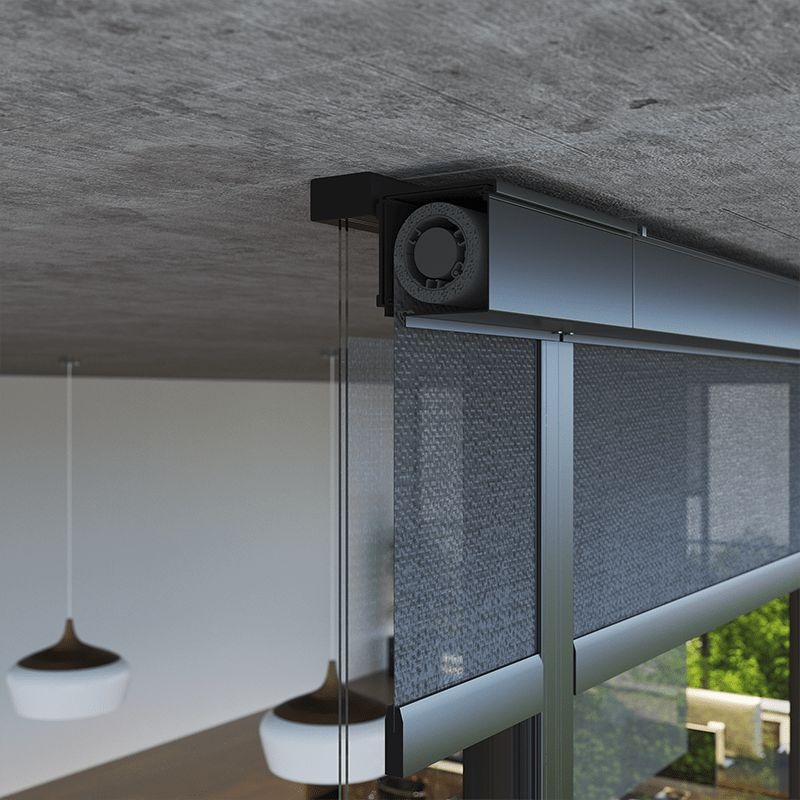
Smart shades are window coverings – blinds, shades, or drapes – that move automatically rather than by hand. The control can be simple or fully integrated, depending on your setup.
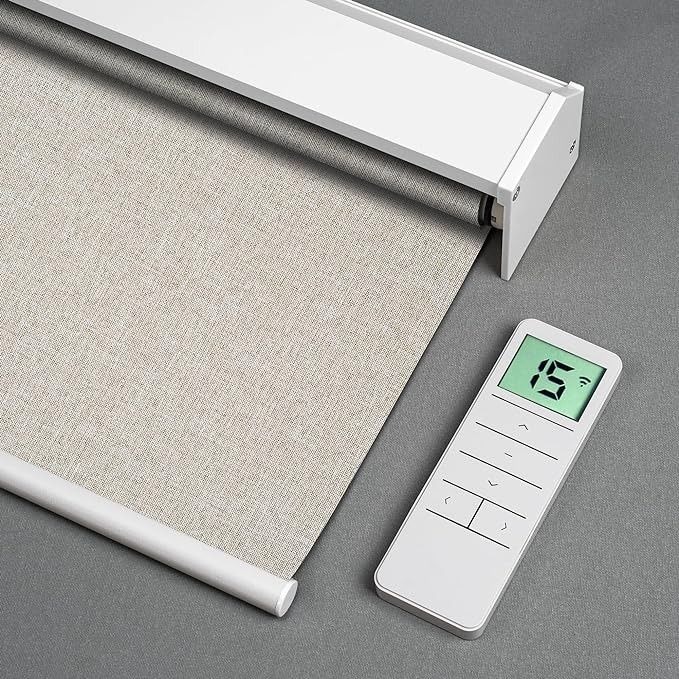
- Motorized systems: A small motor raises and lowers the shade using a remote or wall switch.
- App-controlled systems: These connect to Wi-Fi, allowing you to adjust shades with a smartphone or voice command.
- Integrated systems: The most advanced models link with a home’s heating and cooling or lighting sensors to respond automatically throughout the day.
For instance, you can set shades to close during the afternoon sun to prevent overheating, then reopen in the evening to release heat naturally. Over time, those small adjustments reduce the strain on your HVAC system.
Why Homeowners Are Making the Switch
The move toward automated window coverings is driven by two priorities – energy efficiency and everyday comfort.
- Energy efficiency: Windows are responsible for a large share of seasonal heat loss and gain. Research from the Illinois Institute of Technology found that automated insulating window shades connected to control systems cut energy consumption by about one-quarter in both heating and cooling seasons. By closing automatically at the right times, smart shades can limit unwanted sunlight by up to three-quarters, cutting the need for air conditioning and reducing winter heat loss. The result is lower energy bills without constant manual adjustments.
- Comfort and convenience: With automation, there’s no need to run from window to window adjusting blinds. Rooms stay cooler on summer afternoons, glare is reduced on screens, and mornings begin with soft, natural light.
- Peace of mind: Automated shades can also operate while you are away, giving the appearance that someone is home.
Comparing Automation Options
The main differences between systems are how they are powered and controlled.
| Parameter | Battery-Powered (Wi-Fi/App) | Hardwired (Integrated) | Plug-In (Remote) |
| Price | Medium | High | Low-Medium |
| Installation | Easy, good for retrofits | Requires electrician | Simple DIY |
| Integration | Works with most smart hubs | Fully integrates with HVAC/lighting | Limited |
| Maintenance | Replace or recharge batteries | None | None |
Choosing the Right System
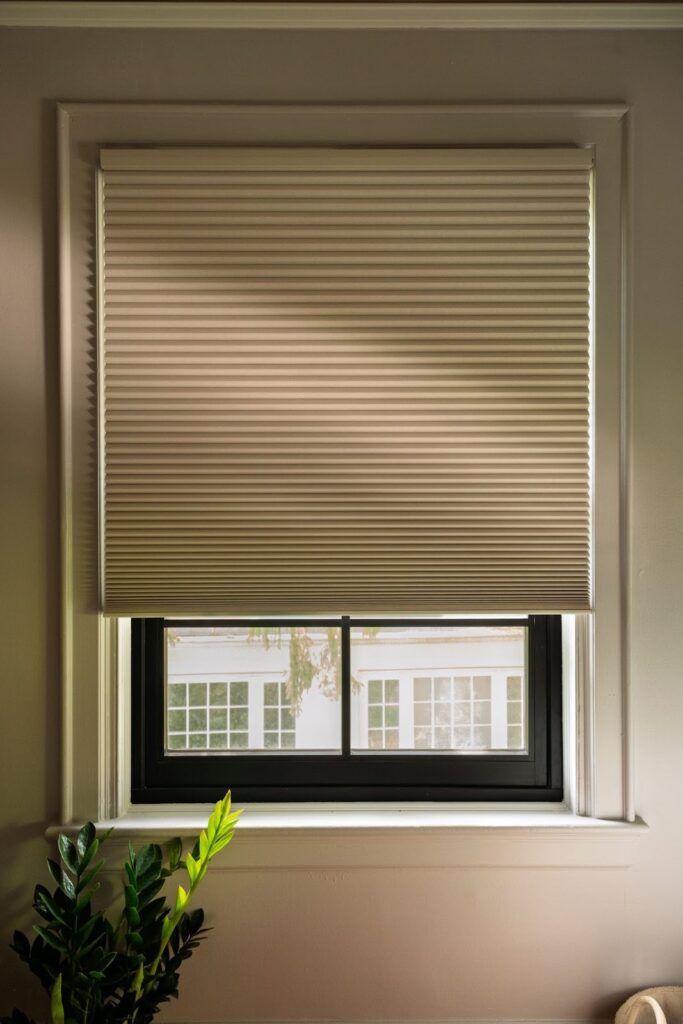
Start by considering how your home is built and how much automation you want.
- Power source: Battery-powered shades suit existing homes and are easy to install. Hardwired options fit new construction and need no ongoing charging.
- Compatibility: If you already use a smart-home assistant, check that the shades connect smoothly with it.
- Window size: Large windows may need stronger motors than small ones.
- Noise level: Visit a showroom or listen to product samples; some motors are whisper-quiet, others more noticeable.
Mistakes to Avoid
- Incorrect measurements. Precise sizing is essential for smooth operation. Even small errors can cause binding or uneven rolling.
- Forgetting about power access. Plan wiring early for hardwired systems, or make sure battery packs are easy to reach.
- Weak Wi-Fi signals. If the router is far from a window, signal drops can interrupt commands.
- Closed ecosystems. Choose systems that support open communication standards so you’re not locked into one brand or app.
Automation or Manual Control?
Some homeowners prefer a fully automated approach where sensors handle every adjustment. Others like to keep hands-on control through an app or preset schedule. The best systems combine both, letting automation handle efficiency while giving you the option to override settings whenever you want.
Safety and Certification
Always confirm that motors, adapters, and controllers carry certification from recognized testing agencies such as the Canadian Standards Association (CSA) or Underwriters Laboratories (UL). For any hardwired installation, hire a licensed electrician to meet local code requirements and ensure safe operation.
Frequently Asked Questions (FAQ)
1. What should I consider when installing smart shades & window automation?
Above all, focus on three things: accurate measurements, your power source (battery, plug-in, or hardwired), and compatibility with any smart home systems you already own.
2. How do I choose the best automation?
The best system is one that matches your needs. If you are not tech-savvy, a simple remote-controlled or timer-based system may be best. For maximum energy savings and convenience, a sensor-based system that integrates with your smart home is the ideal choice.
3. What are the advantages and disadvantages of smart shades?
The main advantages are significant energy savings, enhanced comfort, and convenience. The primary disadvantages are the initial cost, which is higher than traditional shades, and the potential for technical complexity (e.g., setup, Wi-Fi issues).
Conclusion
Smart shades and window automation bring a practical blend of technology and comfort to modern living. By managing sunlight and temperature automatically, they help lower energy use and create a more comfortable home environment. The World Health Organization’s housing strategy also notes that improving window shading and thermal performance plays a key role in achieving healthy, sustainable indoor environments.For more information on home automation and its components, you can visit authoritative sources such as Wikipedia’s page on Home Automation.
Bird-Friendly Windows
Window Styles