
Matching Window Grilles to Architectural Styles: A Homeowner’s Guide
Blog
Window grilles may seem like a small detail, but they have a powerful influence on how a home looks and feels. The pattern of bars dividing the glass can subtly echo your home’s era, reinforce its proportions, or completely disrupt its design if mismatched.
Choosing the right grille pattern is about more than decoration – it’s about maintaining architectural integrity. Canadian heritage guidance from the Canadian Conservation Institute notes that keeping original window features aligned with the building’s design is part of preserving a structure’s overall character and appearance.
Whether you live in a stately Colonial, a storybook Tudor, or a sleek modern home, aligning the grille design with the architecture ensures harmony, curb appeal, and timeless character.
Understanding Window Grilles
Grilles (also called muntins or grids) are the narrow bars that divide a windowpane into smaller sections. Historically, they were necessary because large sheets of glass were difficult to make. Today, they’re almost entirely decorative, but their role in design remains significant.
Modern windows offer three main grille construction types:
- True Divided Lites (TDL): The traditional method, made of multiple small panes separated by real muntins. Authentic but expensive and less energy-efficient.
- Simulated Divided Lites (SDL): A single insulated glass unit with grilles permanently applied to both sides, replicating the TDL look while maintaining energy performance.
- Grilles-Between-the-Glass (GBG): Grilles are sealed between panes of glass. Easy to clean and affordable, though flatter in appearance and less historically accurate.
Each type can suit different goals – from period restoration to low-maintenance modern living.
Why Grilles Matter in Architectural Design
Window grilles play a defining role in how a home expresses its architectural style.
- Architectural authenticity: Grille placement and proportion mirror the defining lines of each style. A Prairie home’s horizontal lines, for instance, are reflected in its window grids.
- Curb appeal: Correct grille patterns create visual balance and refinement, helping the exterior read as cohesive rather than disjointed.
- Resale value: Buyers notice design consistency. Homes with grilles that match their architecture tend to feel more intentional and complete.
Ignoring this element can make even the best-built home appear off-balance or historically confused.
Common Grille Patterns by Architectural Style
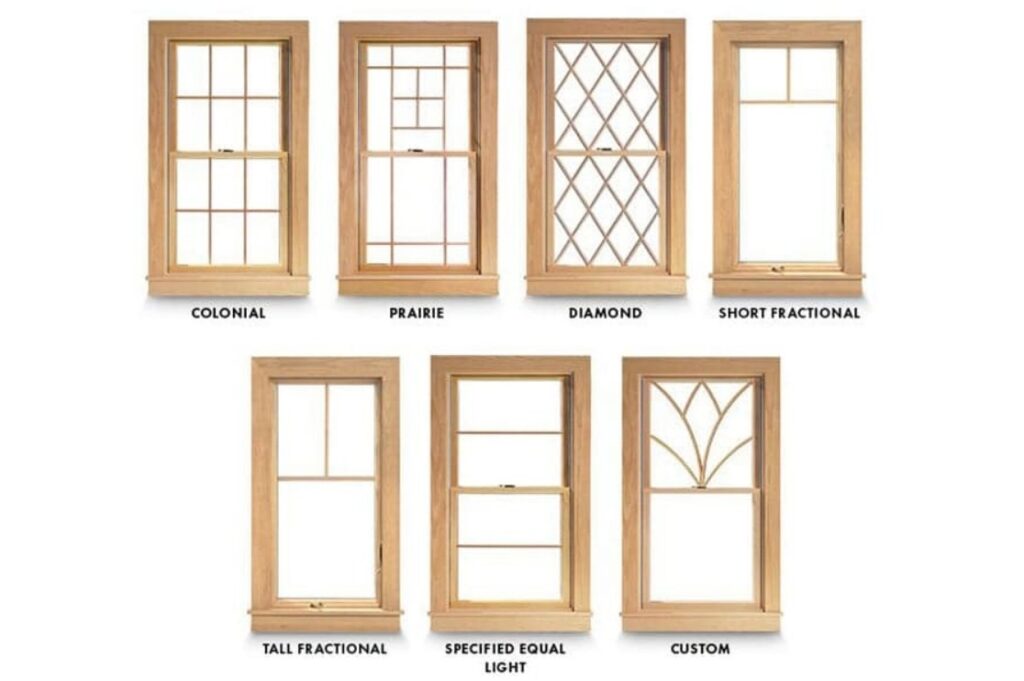
Each architectural style has its own signature window layout. Matching yours to that pattern enhances both authenticity and visual harmony. The University of Washington’s architectural styles collection shows the same pattern – Colonial Revival with six-over-six sash, Prairie and Craftsman with geometric upper sashes, and modern work with large, clear openings – so using the window style to echo the architecture is historically consistent.
| Architectural Style | Grille Pattern Description | Common Configuration |
| Colonial / Cape Cod | Symmetrical, traditional multi-pane design | 6-over-6 or 9-over-9 in double-hung windows |
| Tudor / English | Diamond-shaped “diaper” patterns or small rectangular panes | Diamond pattern or 4-over-4 casements |
| Prairie | Strong horizontal lines, grouped at corners with a clear center | Prairie-style 9-lite or 6-lite pattern |
| Craftsman / Bungalow | Simple, linear design with grilles on upper sash only | 4-over-1 or 6-over-1 in double-hung windows |
| Modern / Contemporary | Minimalist and open, maximizing outdoor connection | Large clear panes, no grilles |
Selecting the right pattern helps each window echo the home’s overall rhythm and proportion.
Choosing Between SDL and GBG
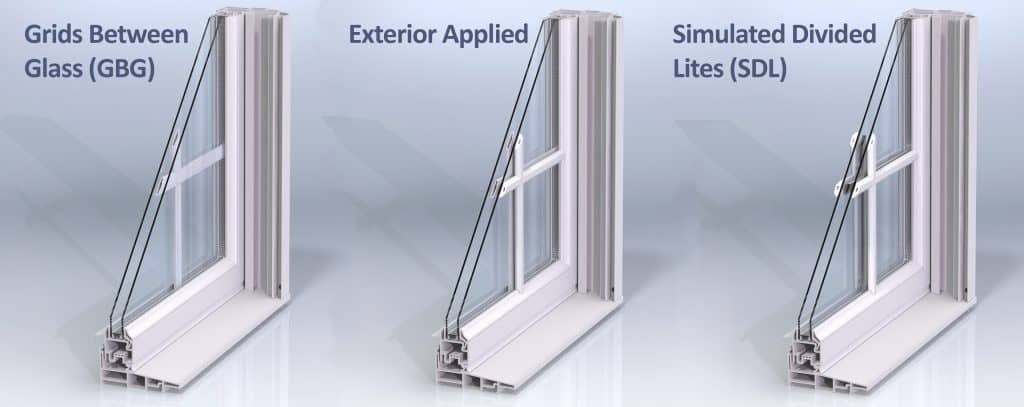
Once you’ve identified the correct pattern, the next decision is how that grille is built into your window.
- For historical accuracy: SDLs offer realistic depth and shadow lines that closely mimic traditional craftsmanship.
- For easy upkeep: GBGs are enclosed between glass layers, making cleaning effortless.
- For budget-conscious projects: GBGs generally cost less while still offering a clean, consistent look.
- For energy efficiency: Both SDLs and GBGs perform well within modern insulated glass units, far outperforming old multi-pane constructions.
In restoration or heritage projects, SDLs strike the best balance between authenticity and performance.
Mistakes to Avoid
- Mixing styles. Using a 4-over-1 Craftsman pattern on a Colonial façade disrupts visual harmony.
- Skipping the back façade. Consistency matters – applying grilles only to front windows can make the design look unfinished.
- Choosing flat GBGs for traditional homes. While practical, GBGs lack the shadow depth that characterizes classic architecture.
- Ignoring proportions. Oversized grille bars on small windows (or vice versa) throw off the balance of the façade.
Attention to proportion and repetition helps the home feel unified from every angle.
Balancing Authenticity and Modern Performance
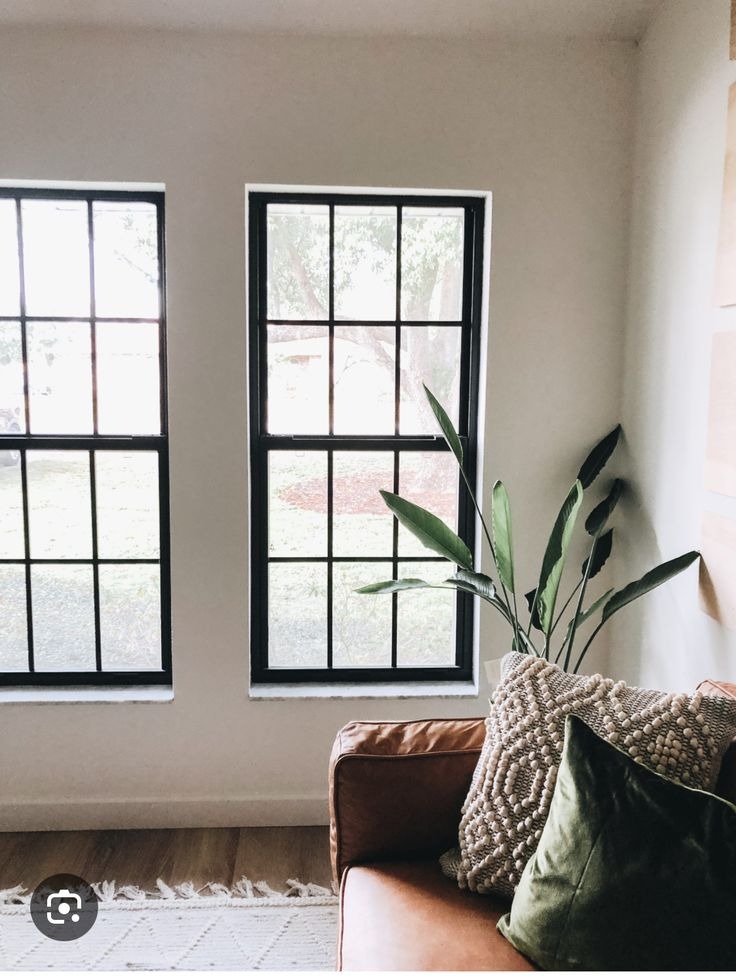
Homeowners often struggle between preserving historic detail and embracing modern performance. True Divided Lites are the most authentic but compromise on insulation and cost.
High-quality SDLs now offer a convincing alternative. Manufacturers use profiled exterior bars and internal spacer bars to replicate the depth and alignment of traditional muntins. Many heritage review boards now approve SDLs for restoration work because they blend character with modern efficiency.
When selecting any grille system, look for products that meet recognized manufacturing and durability standards, such as those set by international or national certification organizations. This ensures longevity and consistent appearance.
Frequently Asked Questions (FAQ)
1. What should I consider when matching window grilles?
First, identify your home’s core architectural style (Colonial, Craftsman, etc.). Second, decide on your priority: authenticity (choose SDL) or low maintenance/cost (choose GBG). Avoid mixing styles on the same facade.
2. How do I choose the best grille style if my home is a “mix”?
Many modern homes are a blend of styles. In this case, choose a simple, classic pattern that complements the home. A 6-over-6 or 9-over-9 is timeless, as is a simple 4-over-1. When in doubt, a clear, unobstructed window is also a classic choice.
3. What are the advantages and disadvantages of window grilles?
- Advantages: They add immense character, curb appeal, and are essential for architectural accuracy.
- Disadvantages: They increase the cost of the window and can be more difficult to clean (especially SDLs). They also slightly obstruct the view.
Conclusion
Window grilles are more than decoration – they’re the finishing touch that connects your home’s design to its architectural roots. The right pattern reinforces proportion, symmetry, and period character, while the wrong one can quietly undermine it.
By matching grille designs to your home’s style, you create a visual language that feels authentic, refined, and enduring. Whether restoring a heritage home or updating a newer build, thoughtful grille selection ensures that every window contributes to the story your home tells.For more information on the history and terminology of window components, you can visit authoritative sources such as Wikipedia’s page on Muntins.
Bird-Friendly Windows

Window Styles