
Fire Egress and Ventilation Planning for Attic Conversions
Blog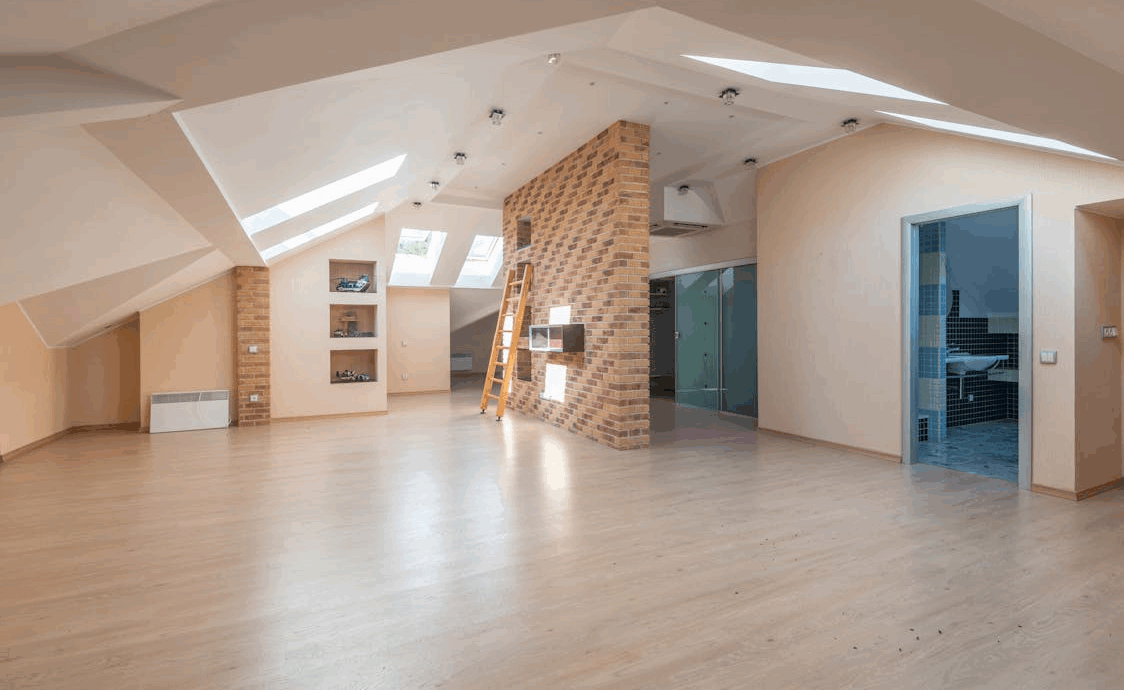
Turning an unused attic into a cozy bedroom, office, or studio can dramatically improve both your home’s value and livable space. Yet attic conversions come with unique technical and safety challenges. Because attics sit at the top of a home’s thermal stack, they are prone to overheating and poor airflow. More importantly, building codes treat them differently from any other room when it comes to fire safety and egress. As noted by Codes Canada at the National Research Council, model building and fire codes set specific requirements for exits, openings, and life-safety features in habitable spaces, including converted attics.
Proper fire egress and ventilation planning isn’t just a detail – it’s essential for creating a safe, comfortable, and compliant living space. Here’s what every homeowner should know before starting an attic conversion.
The Two Cornerstones: Safe Exit and Healthy Air
Every successful attic conversion must meet two critical design goals: a safe exit route and balanced ventilation.
Fire egress: Building codes require that any habitable attic space, especially a bedroom, includes a clear, operable exit to the outside. The National Fire Protection Association explains that a residential means of escape must allow quick, unobstructed exit and firefighter access, which is why egress windows and doors must open easily and to a minimum clear size.
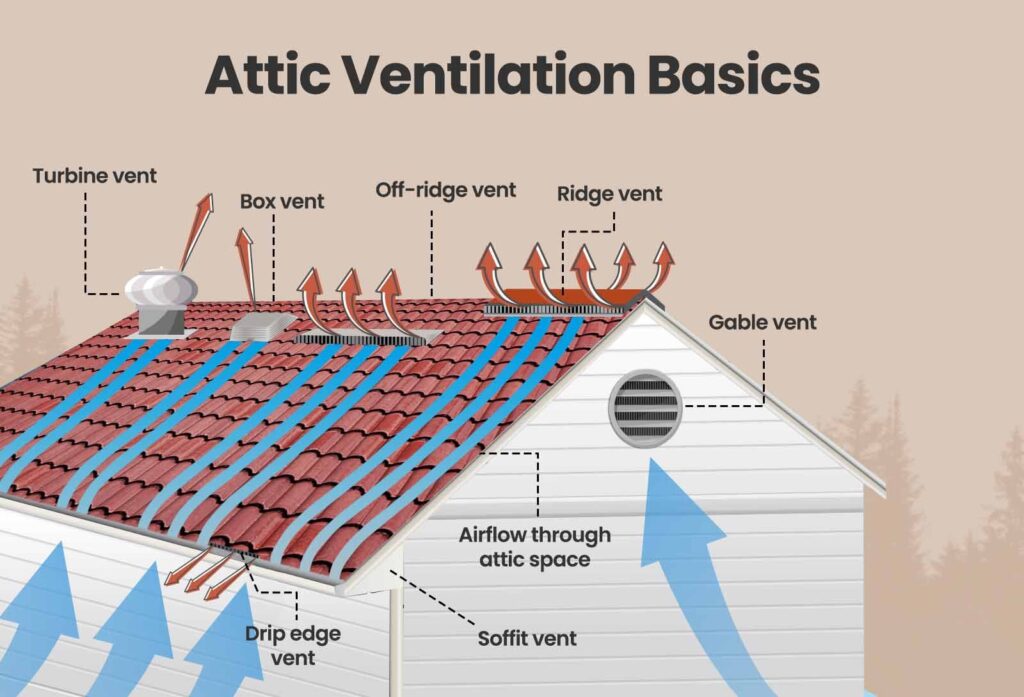
Ventilation planning: Air circulation in an attic is just as vital. These spaces trap heat in summer and collect moisture in winter. Without ventilation, that trapped air can damage the roof, lead to mold growth, and make the space unbearable to occupy. A well-planned system of vents, windows, and insulation keeps air fresh, temperatures stable, and structures protected.
Why Proper Planning Matters
Failing to plan for fire egress or ventilation can affect far more than comfort.
- Safety: In a fire, a correctly sized egress window can be life-saving. Without it, escape routes may be blocked.
- Health: Poor ventilation allows heat, humidity, and CO₂ to build up, leading to headaches, allergies, and mold problems.
- Structural protection: Moisture condensation can rot roof decking, damage insulation, and reduce your attic’s lifespan.
- Resale value: An attic without proper egress cannot legally count as a bedroom, which limits appraisal value and can create issues during inspection.
Comparing Ventilation Options for Attics
While egress is strictly defined by building codes, ventilation offers flexibility. Different approaches can be combined depending on your roof style and insulation.
| Parameter | Operable Skylights / Windows | Passive Vents (Ridge & Soffit) | Powered Attic Fan |
| Airflow Control | Excellent – full user control | Good – natural circulation | Excellent – automatic |
| Installation Cost | High | Medium | Medium-high |
| Energy Use | None | None | Low (thermostat-controlled) |
| Complexity | High – roof cutting and sealing | High – requires balanced layout | Medium – needs wiring |
Choosing the Right Egress and Ventilation Setup
- Egress Window Requirements
If your attic is intended as a bedroom or living space, the window must meet the minimum clear opening size defined by your local code. For reference, the International Residential Code requires:
- Clear opening area: 5.7 sq. ft. minimum
- Clear height: 24 inches minimum
- Clear width: 20 inches minimum
- Maximum sill height: 44 inches above the floor
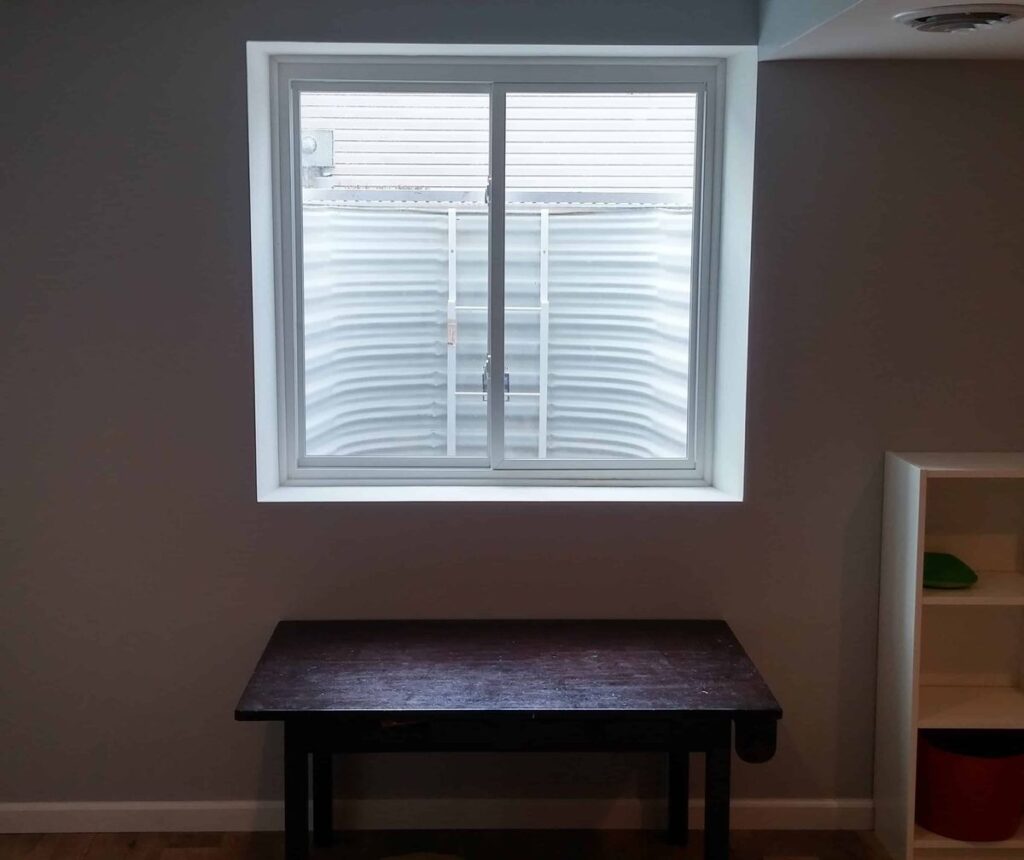
Casement windows are popular for attic egress because their full-swing design creates a large, unobstructed opening even in compact frames.
- Ventilation System Basics
The most efficient attic ventilation follows a “balanced” approach:
- Intake at the eaves: Soffit vents pull in cool, dry air.
- Exhaust at the ridge: Ridge vents or operable skylights allow warm, moist air to escape.
- Maintain air channels: Baffles between insulation and roof sheathing keep airflow continuous. Guidance from North Dakota State University Extension points out that adequate attic ventilation is required to prevent moisture buildup and roof-deck damage, and gives the classic 1:300 / 1:150 vent-area rules for residential attics.
For year-round comfort, operable windows on opposite sides of the space can also create natural cross-ventilation.
Common Pitfalls to Avoid
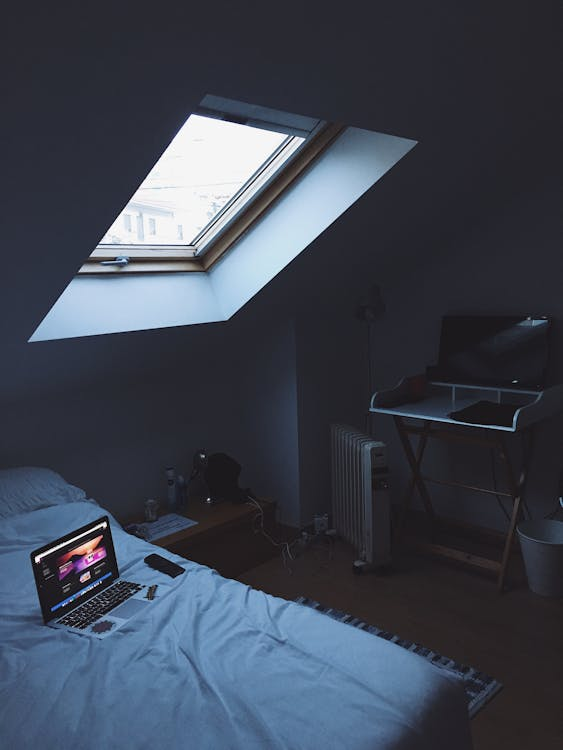
- Mistaking skylights for egress windows. Most skylights don’t open wide enough to meet egress requirements or are too high to reach safely.
- Blocking soffit vents with insulation. This is one of the most common DIY errors. Without intake air, roof ventilation fails.
- Ignoring code definitions. Even if labeled an “office,” a finished attic with a closet may still be considered a bedroom and require egress.
- Blocking operability. An egress window must be easy to open without keys or tools. Furniture or paint-sealed frames can turn it into a hazard.
Conditioned vs. Unconditioned Attics
A key design decision is whether your attic will be a conditioned or unconditioned space.
- Unconditioned (vented): The traditional setup, where insulation lies on the attic floor and airflow is maintained between the roof deck and vents. This approach is cost-effective and simpler to design.
- Conditioned (sealed): A modern alternative that involves spraying foam insulation directly under the roof deck to seal the space. It eliminates the need for vents and keeps the attic within the home’s thermal envelope. However, it requires professional installation and a higher upfront cost.
Standards and Code Compliance
Every attic conversion must comply with local and national building codes. These regulations define the minimum opening size, ventilation requirements, and installation standards for all habitable spaces.
Products certified by organizations such as the Canadian Standards Association (CSA) or the National Fenestration Rating Council (NFRC) offer additional peace of mind that your windows and vents meet durability and performance expectations.
At the international level, the ISO/TC 162 committee on doors, windows and curtain walling publishes performance and test standards that manufacturers use to design and rate these components for real-world conditions, including emergency access and durability.
Frequently Asked Questions (FAQ)
1. What should I consider for fire egress and ventilation planning?
For egress, you must meet the non-negotiable size and operability requirements of your local building code. For ventilation, you must ensure a balanced system that provides both intake and exhaust to manage heat and moisture.
2. How do I choose the best egress window?
Choose a window that is certified to meet egress requirements. A casement window is often the easiest solution, as it provides a large clear opening in a relatively small frame.
3. What are the advantages and disadvantages of converting an attic?
- Advantages: Adds significant, high-value living space to your home without expanding its footprint.
- Disadvantages: Requires complex planning for safety (egress), comfort (ventilation, HVAC), and structure (floor joist strength).
Conclusion
Good attic design balances safety and comfort. Fire egress ensures a way out in an emergency, while ventilation keeps the space livable year-round. Together, they form the backbone of any successful attic conversion.
By following building codes, choosing high-quality windows and vents, and maintaining airflow, homeowners can transform their attics into bright, safe, and efficient living areas that add lasting value to their homes.For more information on the legal definitions and requirements for exiting a building, you can visit authoritative sources such as Wikipedia’s page on Means of Egress.
Bird-Friendly Windows
Window Styles