
Child-Safe Venting Strategies for Nurseries and Kids’ Rooms
Blog
Fresh air is essential for a healthy nursery or child’s bedroom. It helps with sleep quality, reduces humidity, and prevents stale air buildup. But open windows also bring a serious safety risk. Balancing ventilation with security can be challenging, especially for parents of toddlers who love to climb.
Child-safe venting strategies are designed to solve exactly this problem – allowing airflow while keeping children protected from falls. Here’s how they work, which types to consider, and what mistakes to avoid.
Safe Airflow: How Child-Safe Venting Works
Child-safe venting methods let a window open only to a small, secure distance – typically four inches or less. This gap is enough for fresh air to enter but too small for a child to slip through.
These systems can be built into the window design or added later as an accessory. Common options include:
- Window vent locks: Small devices that stop a sash from opening beyond a preset point.
- Built-in ventilation latches: Integrated into many new energy-efficient windows, these lock the window slightly ajar for gentle airflow.
- Window guards: Fixed grilles or bars that prevent a child from exiting through the opening. They must include a quick-release feature for emergencies.
- Window stops: Simple physical blocks that limit sash movement.
Each approach achieves the same goal – safe, controlled ventilation that gives parents peace of mind.
Why Child-Safe Venting Matters
Window falls remain one of the most common in-home accidents involving young children. According to safety organizations, thousands of incidents occur every year. The Public Health Agency of Canada’s CHIRPP program tracks these injuries nationwide and reports that window and balcony falls continue to be a significant cause of pediatric emergency visits each year.
Installing a secure venting system provides several key benefits:
- Fall prevention: Limiting the opening width drastically reduces the risk of accidents.
- Healthier air: Continuous ventilation helps lower CO₂ levels, regulate humidity, and remove indoor pollutants.
- Comfort and rest: Slightly open vents keep rooms cooler and quieter than fully open or completely sealed windows.
- Peace of mind: Parents can let in fresh air without constant supervision or fear of danger. Medical researchers at UC Davis Health estimate that more than 3,000 children are injured each year from window falls in the United States, underscoring why controlled vent openings and window guards are so critical in young children’s rooms.
Comparing Child-Safe Venting Options
The right solution depends on your window type, budget, and whether you’re retrofitting or buying new units.
| Parameter | Aftermarket Vent Locks | Built-in Vent Latches | Window Guards (Grilles) |
| Installation | Easy DIY | Factory-installed | Moderate, requires hardware |
| Child Safety | Good (if correctly fitted) | Good for limited venting | Excellent, physical barrier |
| Aesthetics | Slightly visible | Hidden within frame | Highly visible |
| Emergency Egress | Manual release | Simple unlock | Must include quick-release |
Choosing the Best Strategy for Your Home
Start by assessing your existing windows. Newer double-hung or sliding models often come with vent latches, while older windows will need an aftermarket device.
Keep these points in mind:
- Plan for escape routes. Every bedroom window must double as an emergency exit. Avoid any device that cannot be opened easily by an adult during a fire.
- Match the solution to the window style. Casement windows benefit from limiters on the crank arm, while sliding or double-hung styles work best with vent locks or sash stops.
- Consider who will install it. Some devices, like simple vent locks, are easy DIY projects. Guards or bars should be installed by a professional to ensure they’re secure yet releasable.
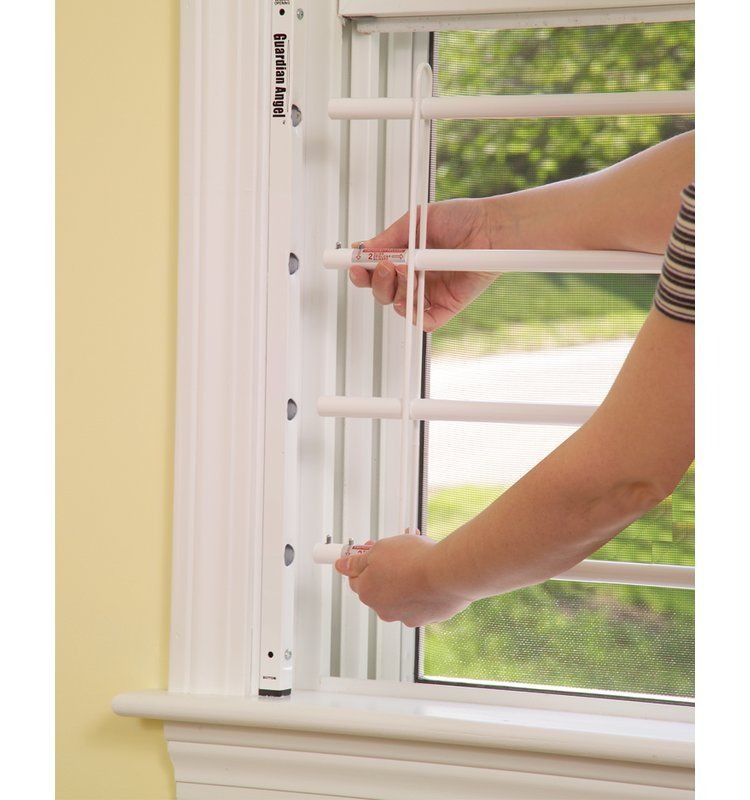
A well-chosen system protects your child without limiting your window’s function or safety in emergencies.
Common Mistakes to Avoid
- Relying on insect screens. Screens keep bugs out, not children in. They offer no fall protection and can easily pop out under pressure. The nonprofit Safe Kids Worldwide emphasizes that screens are never safety devices and recommends using window guards or stops that limit openings to four inches or less.
- Blocking egress. Permanent bars or key-operated locks can trap occupants in an emergency. Always verify that your device has a quick-release feature.
- Placing furniture under windows. Beds, cribs, or toy chests near windows give children an easy climbing path. Keep clear space below windowsills.
- Poor installation. A vent lock or stop must be anchored to the structural frame, not just the trim, to withstand force.
Avoiding these common pitfalls ensures that your venting solution truly enhances safety rather than creating new risks.
Fresh Air vs. Mechanical Air Cleaning
Some parents rely solely on air purifiers to keep indoor air clean. While purifiers remove dust and allergens, they don’t bring in fresh oxygen or expel humidity and CO₂.
Even in modern, tightly sealed homes, periodic ventilation is vital. The best approach is a combination: use secure venting for controlled fresh air and a purifier to filter particulates. Together, they create the healthiest environment for children.
Safety Standards and Certification
Products designed for window fall prevention are tested under strict standards. Look for devices certified under ASTM F2090, which specifies the safety and strength requirements for child fall-prevention hardware.
Manufacturers that follow recognized quality frameworks, such as those set by the Canadian Standards Association (CSA) or the International Organization for Standardization (ISO), provide extra assurance of durability and performance. The World Health Organization likewise advises installing window locks or guards that young children cannot open, aligning home safety practices with international injury-prevention guidance.
Always check the product’s labeling before purchase, and follow installation instructions closely to maintain compliance and warranty coverage.
Frequently Asked Questions (FAQ)
1. What should I consider for child-safe venting?
Your primary goal is to prevent a fall. Avoid the number one mistake of trusting an insect screen. The best options are vent locks, sash stops, or quick-release window guards that limit the window opening to 4 inches or less.
2. How do I choose the best option?
For modern windows, use the built-in vent latches. For older windows, a professionally installed, quick-release window guard offers the highest level of safety. For a simple and effective DIY solution, a high-quality aftermarket vent lock is a good choice.
3. What are the advantages and disadvantages?
- Advantages: Allows for fresh air, improves indoor air quality, and provides peace of mind by preventing child falls.
- Disadvantages: Some solutions (like grilles) can be visually obtrusive, and all require correct installation and adult awareness to ensure emergency egress is not blocked.
Conclusion
Safe ventilation is part of a healthy, comfortable home – especially for children’s spaces. With the right child-safe venting strategy, you can keep air flowing freely while eliminating the risk of falls.

Whether you choose simple vent locks, integrated latches, or professional-grade window guards, the goal is the same: a secure, breathable room where safety and comfort work together.For more information on window safety devices, you can visit authoritative sources such as Wikipedia’s page on Window Guards.
Bird-Friendly Windows

Window Styles