
Big Openings on a Budget: Combining Units or Choosing Custom Spans
Blog
Large windows have a way of transforming any home. They brighten interiors, create visual connections to the outdoors, and make even compact rooms feel open and airy. Yet for many homeowners, the dream of an expansive glass wall quickly meets the reality of cost.
The good news is that achieving a wide, light-filled view doesn’t always require a single custom window. By understanding two main approaches – combining standard window units or ordering a custom span – you can find the right balance between design and budget.
Two Ways to Create a Wide Opening
When planning a large glass feature, the approach usually falls into one of two categories: combining standard windows or installing a single custom unit.
1. Combining Standard Units
Often called “mulling,” this method joins several standard windows together to fill a large opening. For example, you might line up three picture windows or flank a fixed pane with operable casements. The units are connected with structural mullions either at the factory or on-site, creating the look of a larger expanse while using off-the-shelf products.
2. Custom Spans
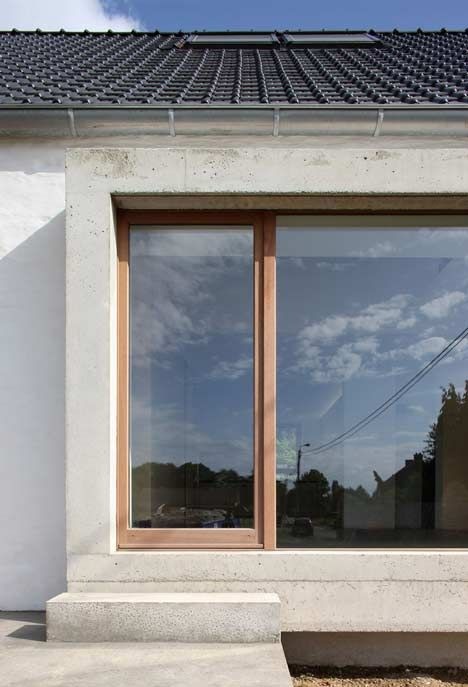
A custom span is a single, oversized window built specifically for your opening. These are the seamless glass walls seen in modern homes and architectural projects. Each unit is made to order, offering a completely uninterrupted view and a highly refined finish.
Why the Choice Matters
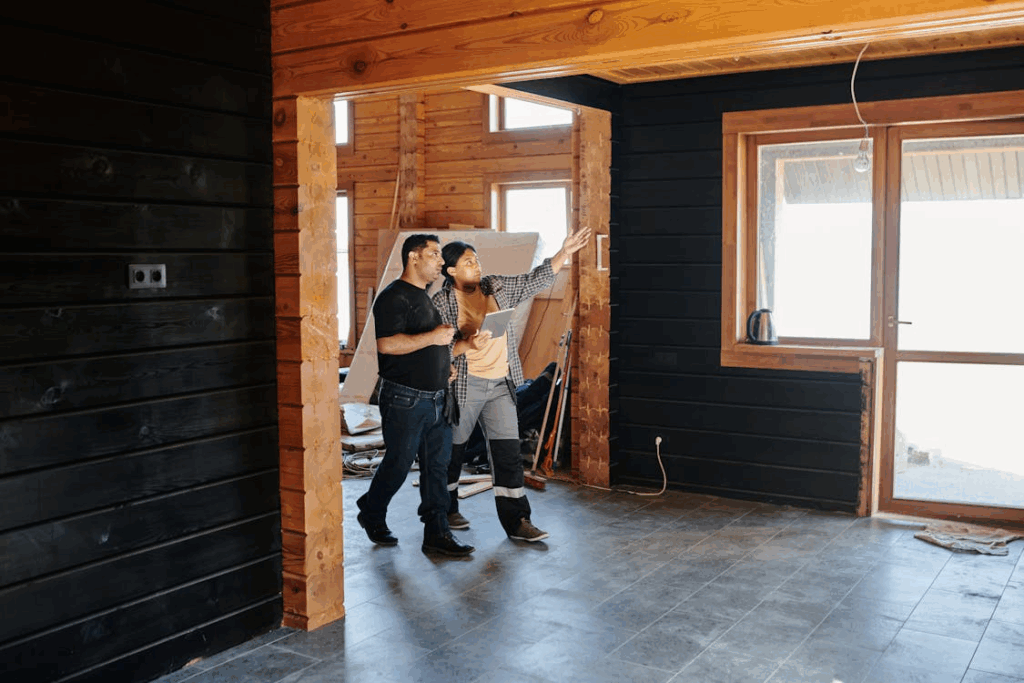
The decision between combined units and a custom span affects more than appearance. It influences cost, schedule, and installation complexity.
- Budget: Standard units cost far less than a single custom-manufactured piece of glass.
- Aesthetics: Custom spans provide an unobstructed view, while combined units include mullions that divide the glass.
- Installation: Custom spans are heavy and may require cranes or special handling. Combined units are lighter but demand careful sealing where they meet.
- Lead time: Standard units are usually available within weeks; custom spans can take months to fabricate.
Comparing Combined Units and Custom Spans
| Parameter | Combined Standard Units | Single Custom Span |
| Material Cost | Low to Medium | High to Very High |
| View | Framed by mullions | Fully open |
| Lead Time | Weeks | Months |
| Installation Labor | Lighter, more joining work | Heavy lifting equipment required |
| Design Flexibility | Limited to standard sizes | Almost unlimited shapes and dimensions |
According to the Whole Building Design Guide, properly engineered window assemblies rely on tested frame connections and mullions that maintain structural integrity under wind load – an important factor when combining several standard units into one large opening.
Choosing the Right Approach
The right solution depends on your goals and how the window fits into your overall project.
- When cost comes first: Combining standard units is the most practical way to achieve a large opening. The savings can be redirected toward upgraded glazing or finishes elsewhere.
- When the view is everything: If your design centers on a single panoramic outlook, such as a lake or mountain view, investing in a custom span can be worthwhile.
- Finding a middle option: Many manufacturers offer extra-large standard picture windows. Using the largest stock size available provides an expansive view without the full cost of a custom build.
Common Planning Mistakes
Even a well-designed window wall can fail if the basics are overlooked.
- Skipping structural planning. Large openings need engineered support. Always include a properly sized header or lintel to carry the building load.
- Underestimating installation costs. Combining units may require extra labor for alignment and sealing, while custom spans need lifting gear and specialized crews.
- Neglecting efficiency. Large glass surfaces can raise energy bills. Check the U-Factor and Solar Heat Gain Coefficient (SHGC) to ensure comfort and performance year-round.
Design Perspective: Framed or Frameless?
Designers often debate whether mullions disrupt the look of a view. While a single pane is undeniably sleek, well-planned mullions can create rhythm and proportion that complement the architecture. Using narrow-profile frames helps maintain an open, modern feel without the price of full customization. In many projects, the difference is hardly noticeable once installed.
Meeting Standards and Building Codes

All large window installations must meet local safety and performance codes. The National Research Council of Canada outlines in the National Building Code of Canada 2020 that openings must satisfy strict structural-load and energy-performance criteria to ensure occupant safety and durability.
Manufacturers test products according to standards from recognized organizations such as the Canadian Standards Association (CSA) and the International Organization for Standardization (ISO). The ISO standards database includes window and curtain-walling standards such as ISO 16316, which define how large glass units are tested for wind resistance, thermal properties, and long-term performance.
If you are combining units, always follow the manufacturer’s approved mulling instructions and use the proper structural connectors. Improvised methods can lead to leaks, movement, or warranty issues down the road.
Frequently Asked Questions (FAQ)
1. What should I consider for big openings on a budget?
Your best option is to design your opening around standard, easily-available window sizes that can be combined. This gives you the scale and light you want without the high cost of custom fabrication.
2. How do I choose the best option for my home?
If budget is your primary concern, choose combined standard units. If the unobstructed view is the most important feature of your home and your budget is flexible, invest in a custom span.
3. What are the advantages and disadvantages of combining window units?
- Advantages: Much lower material cost, shorter lead times, and individual units are easier to handle during installation.
- Disadvantages: The view is obstructed by frames (mullions), and the installation requires more complex sealing to prevent leaks between units.
Conclusion
Expansive window openings are within reach for many homeowners once the right strategy is chosen. Combining standard units can deliver impressive scale and brightness at a fraction of the cost of a custom installation. For projects where the view itself is the centerpiece, a single large span remains the ultimate statement.
Either way, with careful planning and proper engineering, you can create a striking, light-filled space that fits both your design vision and your budget.For more information on the structural elements required to create large openings, you can visit authoritative sources such as Wikipedia’s page on Lintel (Architecture).
Bird-Friendly Windows
Window Styles